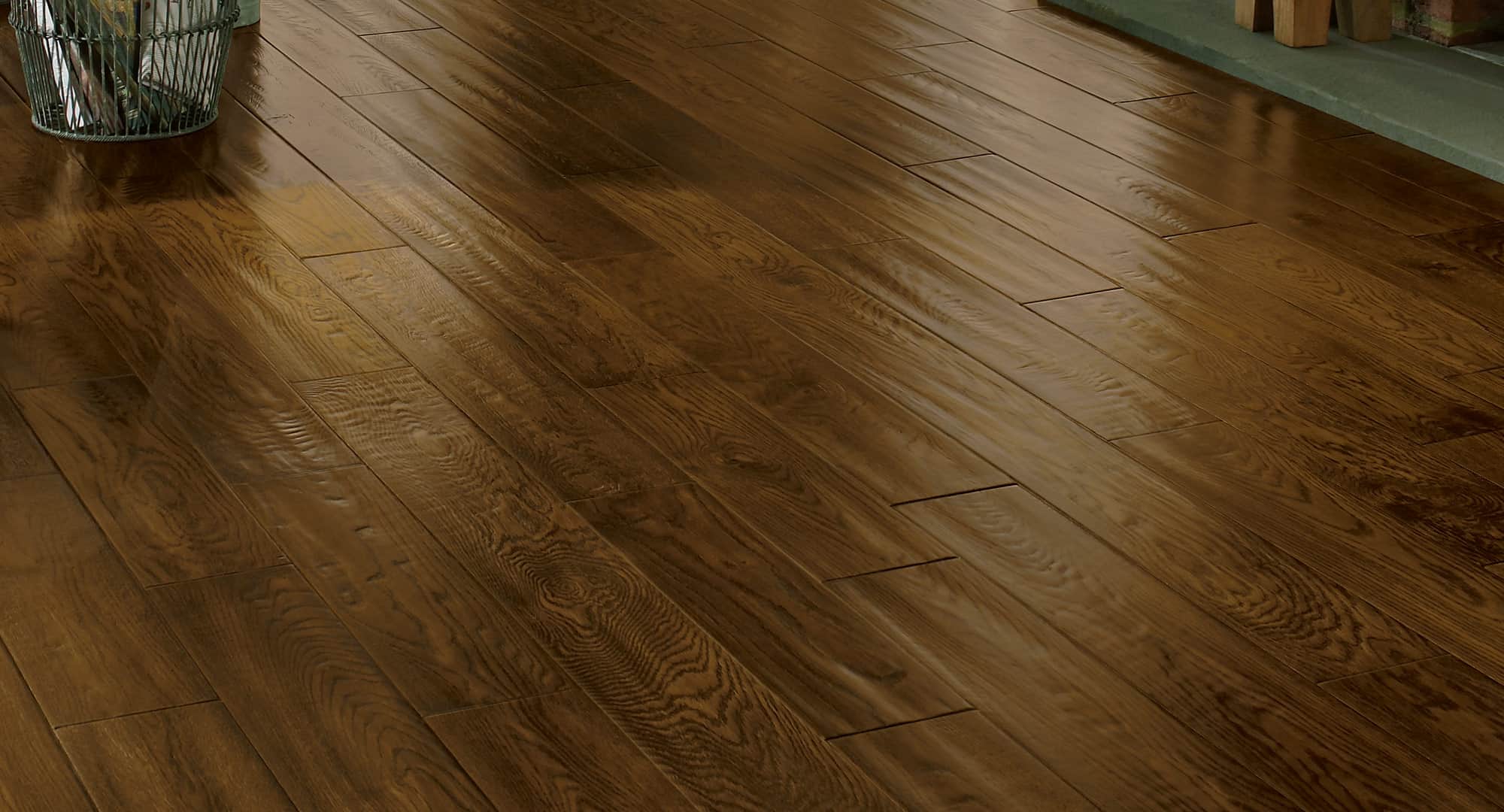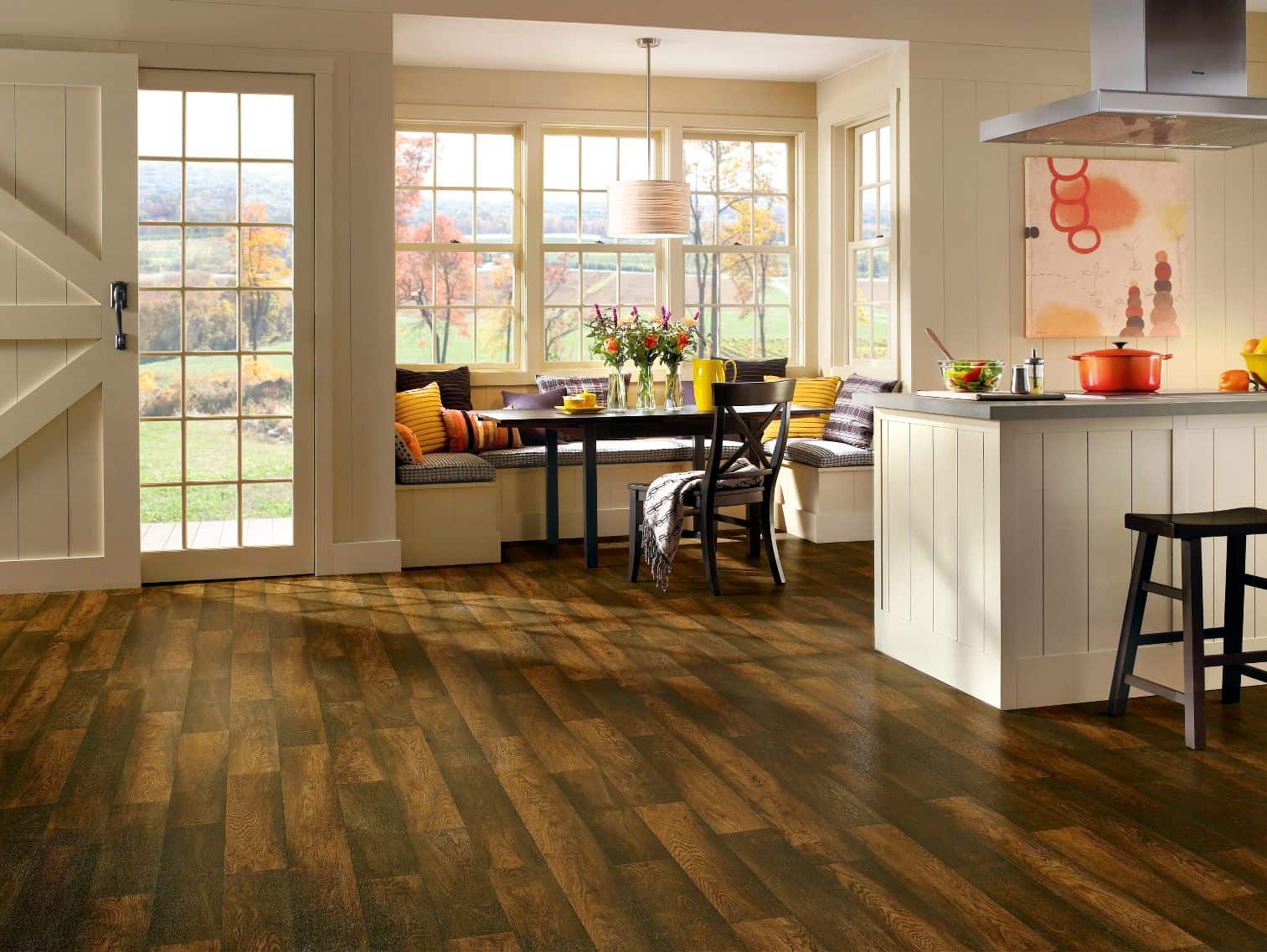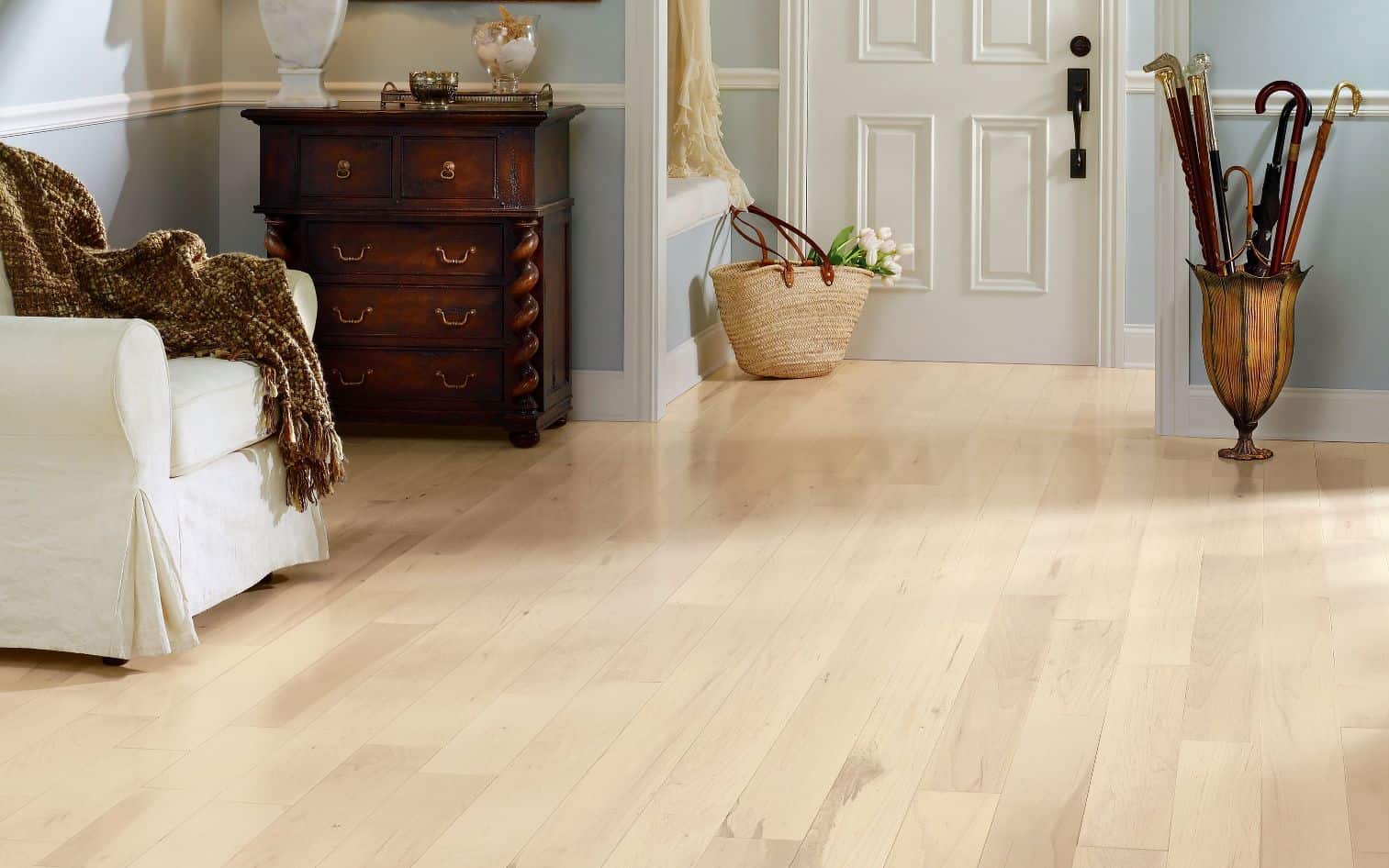
If you've specified flooring in the past five years, you've navigated this conversation at least a dozen times. The client wants the look of hardwood. LVP offers it at a lower price point with better performance specs. But is it actually better — or just easier to sell?
Here's the honest breakdown, from a contractor's perspective. We'll reference data from the National Wood Flooring Association (NWFA) and the Resilient Floor Covering Institute (RFCI) where relevant.
Material Cost
In 2025, commercial-grade LVP (6mm, 20-mil wear layer) runs approximately $3.50–$5.50/SF installed, depending on product and market. Mid-grade engineered hardwood runs $8–$14/SF installed. Solid hardwood in commercial applications can reach $15–$22/SF installed.
The cost gap is real and significant, particularly on large multifamily or commercial projects where flooring covers tens of thousands of square feet.
Installation
LVP
Floating or glue-down installation depending on application
No acclimation required in most cases
Can be installed over most existing substrates
Does not require sanding, finishing, or curing time
Immediate occupancy after installation
Hardwood
Requires 3–5 days acclimation at site conditions before installation
Subfloor must be within strict moisture tolerances (typically <12%) per NWFA guidelines
Solid hardwood cannot be installed below grade or over radiant heat
Site-finished hardwood requires 24–72 hours cure time with restricted access
Expansion gaps and transitions must account for seasonal movement
For large commercial projects with tight schedules, LVP's installation advantages are significant. On custom residential projects where timeline is more flexible, hardwood's requirements are manageable.
Durability and Wear
This is where the conversation gets nuanced. A 20-mil LVP wear layer resists scratching, denting, and staining better than most hardwood finishes in high-traffic conditions. But hardwood can be sanded and refinished — a worn LVP floor must be replaced.
For a multifamily unit that will see tenant turnover, the answer is almost always LVP. For a custom homeowner who intends to stay for 30 years, hardwood's refinishability is a legitimate long-term value argument.
Water Resistance
LVP is 100% waterproof. Real hardwood is not. This single factor eliminates hardwood from consideration in any application where moisture is a concern: kitchens, bathrooms, basements, and entryways in humid climates.
For multifamily buildings — particularly those with student housing, entry-level units, or ground-floor units — LVP's waterproofing is a specification requirement, not a preference. The EPA's WaterSense program highlights moisture management as a key factor in building longevity.
Resale and Perception
Real hardwood still commands a premium perception in the market. In luxury residential projects, high-end custom homes, and premium office environments, the authenticity of real wood remains a differentiator that LVP — despite its remarkable visual quality — doesn't fully replicate.
In most commercial applications, that perception premium doesn't translate to a price premium that justifies the cost difference.
The Henges Verdict
Neither product is universally better. The right specification depends on the application, the budget, the owner's timeline, and the end user's needs.
What we tell our contractor partners: bring us the project scope and we'll give you an honest recommendation — not the one with the highest margin, but the one that performs best for the specific application. Schedule a specification consultation with the Henges team.