Multifamily flooring is not a premium product problem. It's a durability engineering problem.
The owner of a 200-unit Class B apartment building doesn't need the most beautiful floor on the market. They need a floor that looks presentable at move-in for unit 47 in November, and still looks acceptable when the lease on unit 47 ends the following October — and the next tenant moves in that weekend.
The Math That Drives the Decision
At an average turnover cost of $800–$1,500 per unit for a full flooring replacement, a 200-unit building with 60% annual turnover is looking at $96,000–$180,000 in annual flooring cost if the specification is wrong. The National Apartment Association (NAA) identifies flooring as one of the top three largest turnover cost categories for property operators.
Specifying a product that extends the replacement cycle from 2 years to 5 years on even half the units translates directly to net operating income. That's the conversation we have with multifamily developers and property managers.
What Actually Holds Up in Multifamily
Living Areas and Bedrooms
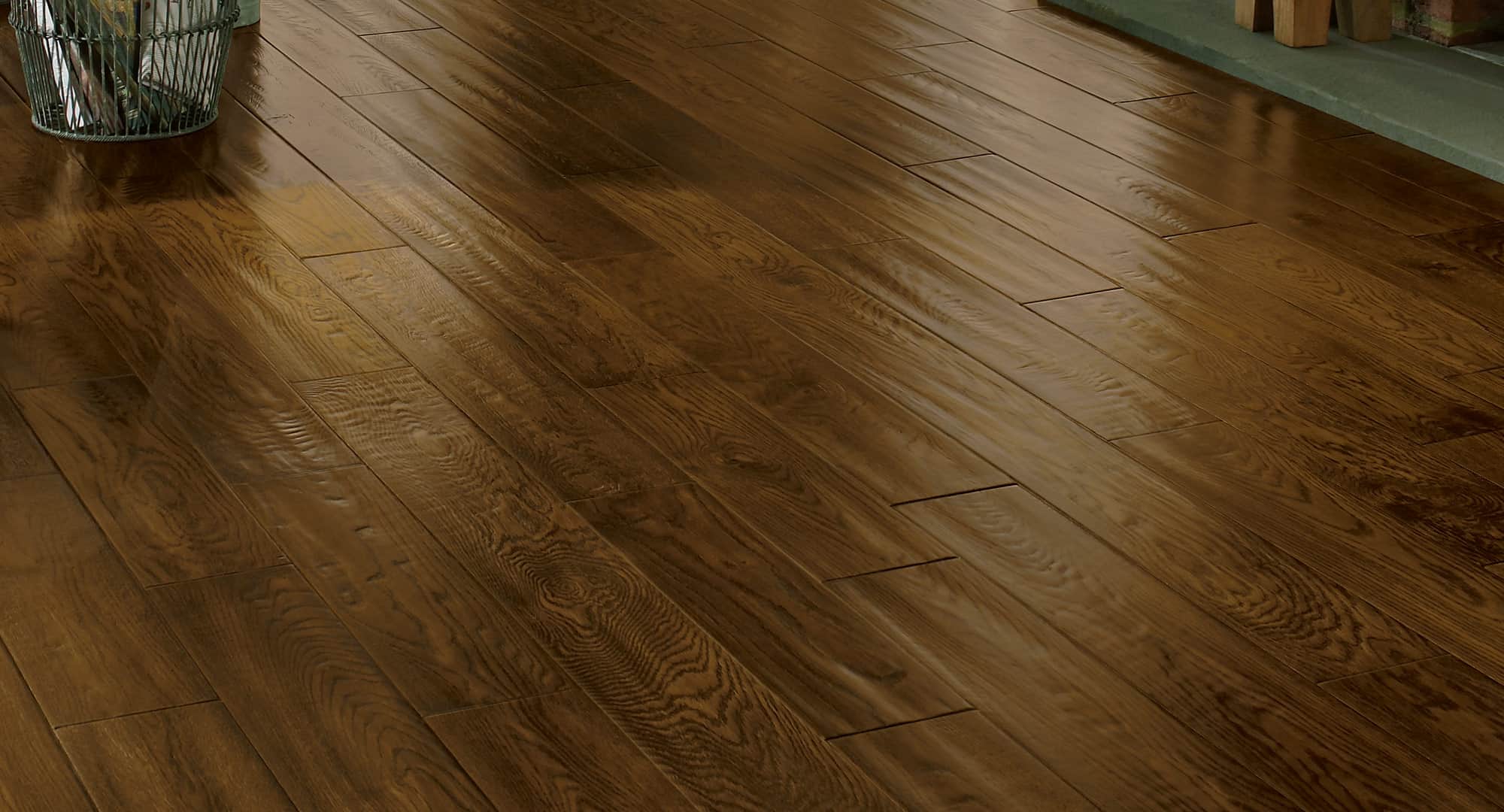
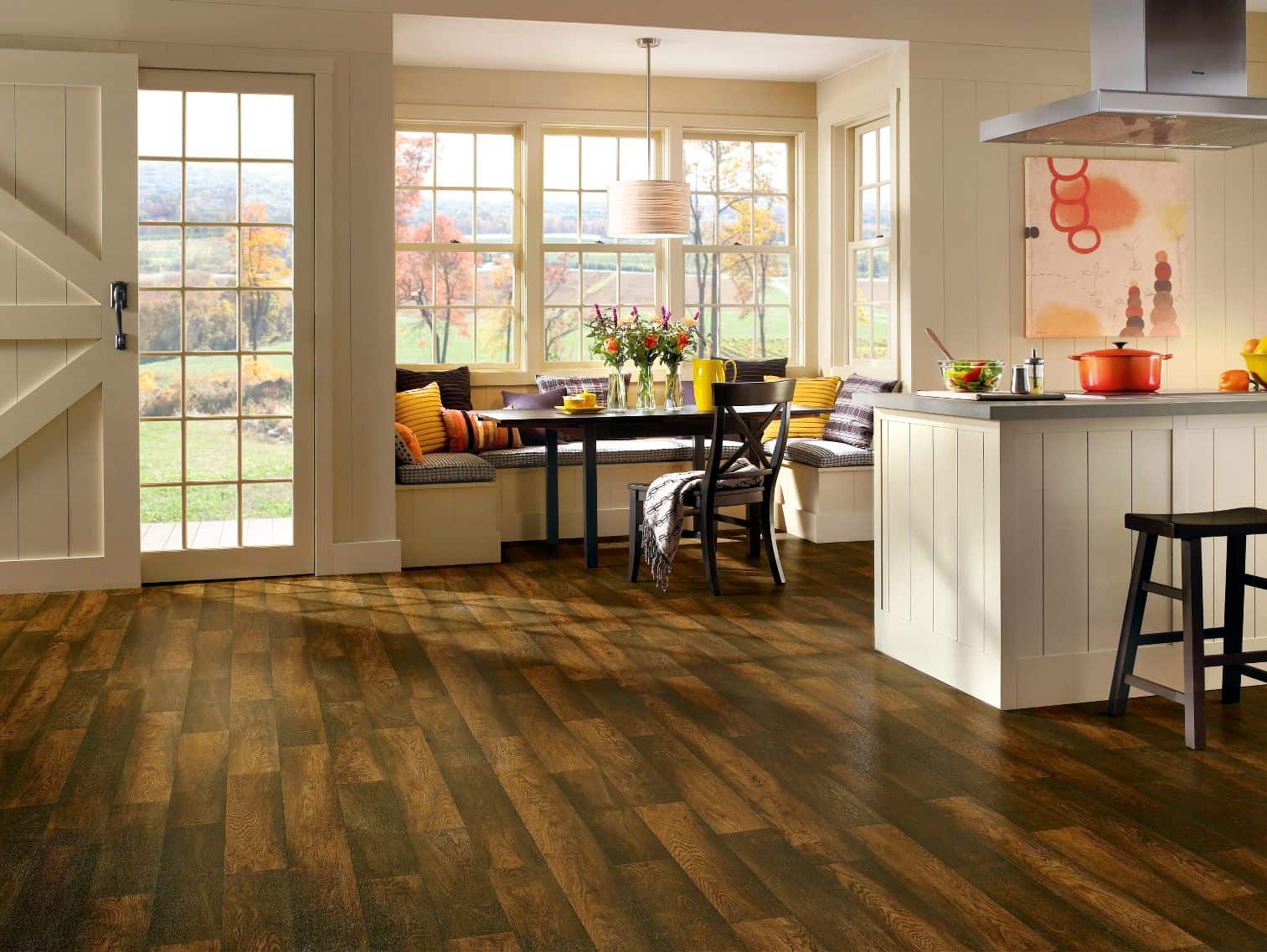
Commercial-grade LVP with a minimum 20-mil wear layer has become the standard specification for good reason. It handles pet claws, moving furniture, rolling carts, and the general abuse of residential occupancy. The waterproof core means a washing machine flood doesn't require a unit-wide replacement — a scenario that the Insurance Institute for Business & Home Safety (IBHS) notes as one of the leading causes of interior property losses.
Specify a 6–8mm product with an attached underlayment. The added thickness absorbs impact noise — a significant quality-of-life factor in multi-story construction and a common source of tenant complaints.
Kitchens and Bathrooms
Porcelain tile in kitchens and wet baths eliminates the water damage risk that ruins otherwise good units. Budget-tier ceramic works, but porcelain's lower porosity means grout holds up longer under regular cleaning with commercial products.
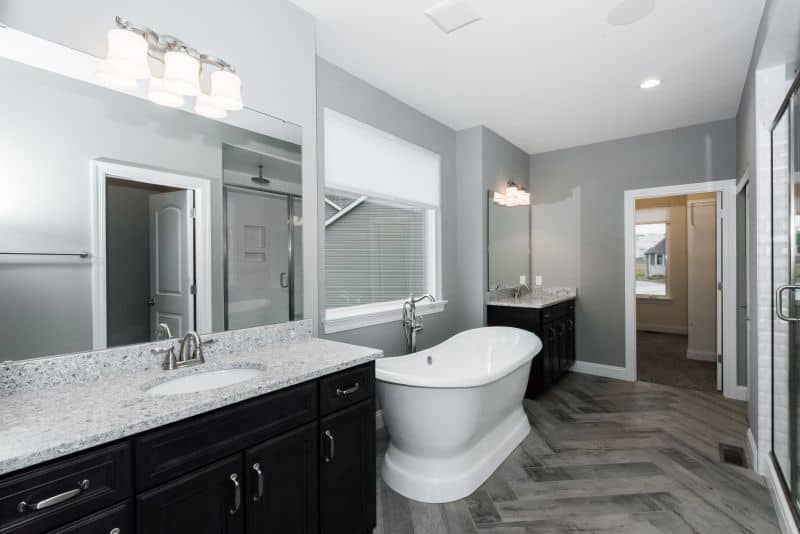
In higher-end buildings, a continuous LVP product through kitchen and bath creates a cleaner visual and simplifies the specification — just ensure you're using a product explicitly rated for wet-area installation.
Corridors and Common Areas
Corridors take the hardest abuse: moving carts, foot traffic, maintenance equipment. Glue-down commercial carpet tile in corridors offers good acoustics, easy spot replacement, and a reasonable appearance lifecycle. For modern buildings, a commercial LVT (2–4mm glue-down with 20-mil wear) in a stone or concrete visual is increasingly popular and easier to maintain.
The Specification Checklist
Minimum 20-mil wear layer for all residential living areas
Waterproof core (WPC or SPC) for all units — not just bathrooms
Attached underlayment for noise reduction in multi-story construction
Neutral colorways that photograph well and appeal to broad demographics
In-stock products with 18+ month availability — so replacements match
Local distribution to minimize lead time on turnover units
The Henges Multifamily Program
Henges has been specifying and installing multifamily flooring across the Midwest for decades. We maintain relationships with major manufacturers to secure competitive pricing on volume programs, and our crews are experienced with occupied-building installs — including phased turnover where units are coming offline in a rolling schedule.
Building a new project or rehabbing an existing asset? The Henges multifamily team can build a specification package and volume pricing program that protects your NOI from the first tenant forward.